A Peek into the Park Planning Process Part 1

Picking a Property and Evaluating Assets –

Welcome back to another blog post! Over the next few weeks, we will be breaking down the different pieces of the park planning process. From choosing a property, identifying existing features, imagining a vision, and implementing a plan. The entire process is built upon a foundation of community involvement and participation, because the best park is one that best suits and represents its users. In this blog post, we’ll cover the first step of the process – picking a property and taking inventory of its assets. 

Picking a Property

CVPRD is currently looking into available properties for a new park. When it comes to deciding on a property, we’ll need your help! It is our goal to design and implement a community park that will be useful, available, and usable by the community members. You may have a preference as to the location of the park, or a desire for certain park features. This is valuable input that the commissioners at CVPRD would love to hear! If several people are in favor of a park with a playground, or walking paths, or places for sports – that will influence the decision of which property to choose. CVPRD would love to have residents express their park preferences, and everyone is always invited to the Park Planning Meetings that occur on the third Tuesday of every month at 5PM and regular meetings every 2nd Thursday at 5PM. You can visit our public meetings page at cv-prd.org to join. 

Evaluating Assets

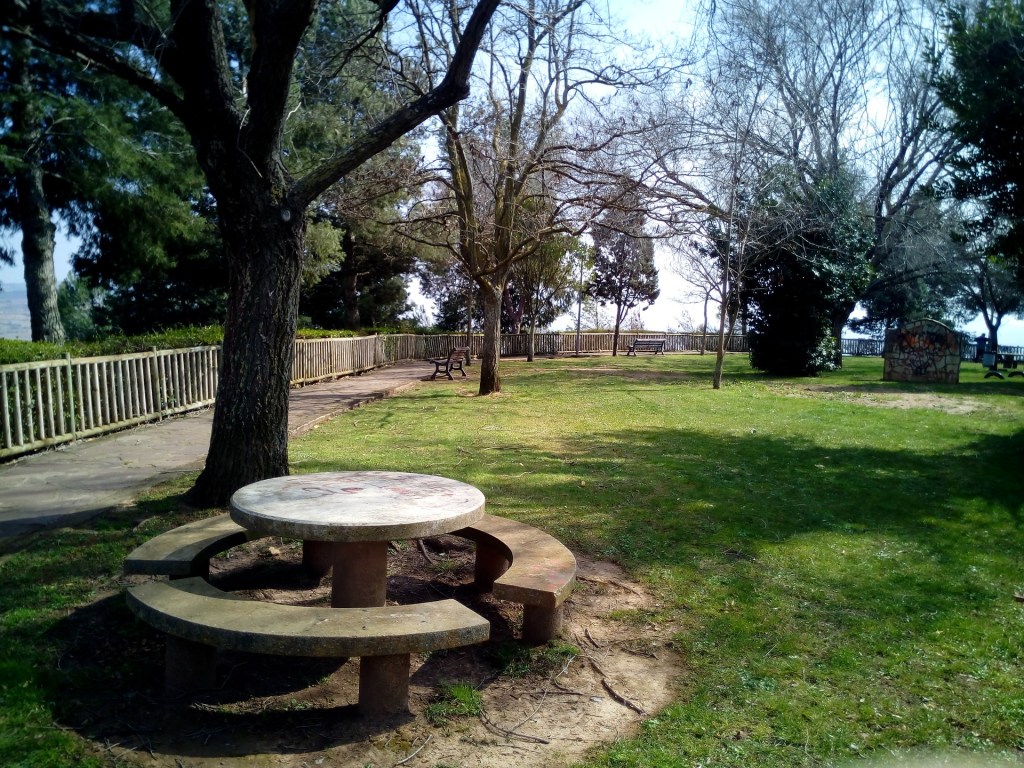
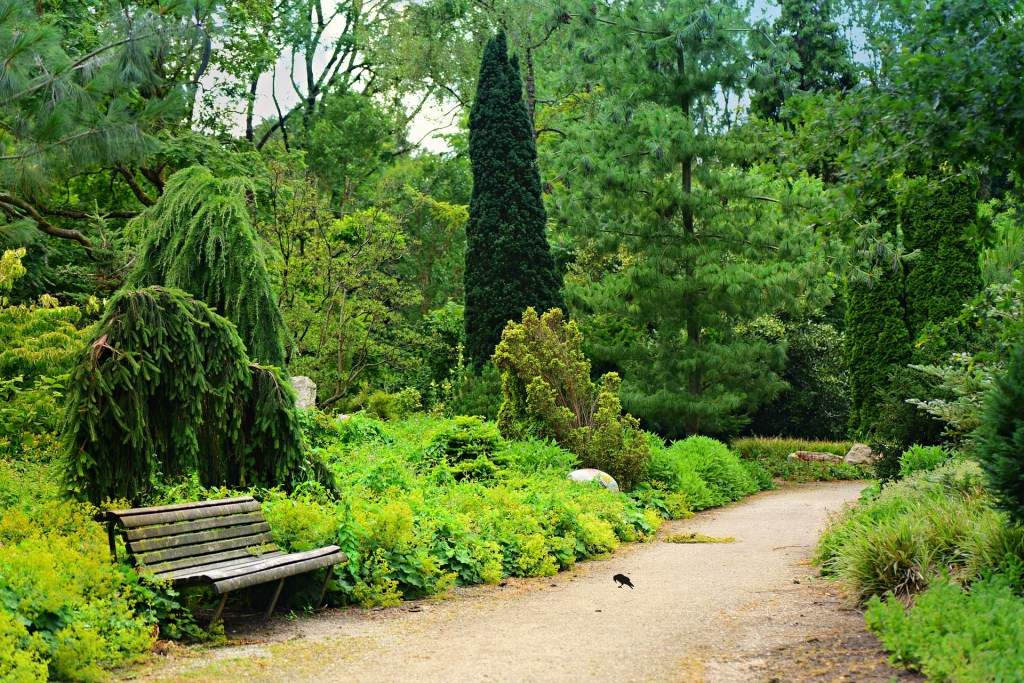
Once a property has been picked, the next part of the process is identifying the existing features. For example, there may be a lot of trees on the property. CVPRD will want to have the community help to decide if all the trees should stay, or if some excavating will be necessary. The same goes for other kinds of plants and greenery, it will be essential to collaborate and plan the foundation for the park. If there are any large rocks, we’ll need to agree on if they should stay or go. During this process, it will be helpful to do a site visit of the property and create a list of all it’s existing assets. Then, in a collaborative meeting or through a community wide survey go down the list and decide whether to keep each one. Together, we can transform underutilized properties into vibrant community parks for everyone! The more participation we have during the entire park planning process, the better the park will be suited for Columbia Valley’s residents. 
Designing, Creating, and Maintaining Safe Parks

Welcome to this week’s blog post! So far, we’ve covered the different benefits of parks and shared some fond memories from community members. However, we want to make sure that we address and concerns and hesitations our community may have about bringing parks to Columbia Valley. One common concern is that the addition of parks may increase unwanted or undesirable activity. In this blog post, we aim to alleviate some of those concerns and explain how we can bring safe community parks to Columbia Valley for all residents. 

There are crucial elements of park design that influence safety and security of community parks. The CVPRD commissioners are dedicated to designing local parks that are not only inclusive for all residents, but also feel safe and comfortable. With this, community involvement is a key element to success. In future blog posts we’ll discuss more about the park planning process and how we hope more community members become involved. For now, let’s go over some of the park design basics that will create safe park environments. 

Lighting is usually one of the first elements that comes to mind when it comes to increasing safety, and for a good reason. Smart, methodically placed lighting can sincerely help increase safety in parks at night. The article “What Role can Design Play in Creating Safer Parks” (linked below) mentions a technique called hierarchy lighting. Hierarchy lighting is a technique that is used to place lighting effectively. Depending on the park layout and elements, lighting will be placed where it is most needed. For example, lighting should be placed around pedestrian walkways and other activity areas to encourage traffic flow. Alternatively, if there are particularly dark parts of the park, we would also want to place lighting there to discourage any unwanted activity and increase the sense of safety and comfort. A well-lit park at night will drastically decrease the chances of any undesirable activity.

Park layout, placement, and sight lines also play an important role in park safety. It’s important to have parks in areas that will have regular traffic, even if it’s just residents passing by car. Within this, clear sight lines into and out of the park are important. Those in the park should stay visually connected to those passing by the park. This greatly increases the number of “eyes on the street” and helps create a safe and inviting environment. Park layout should also be easy to understand and never confusing. We’ll want anyone to understand a clear layout of the park from every entrance. This will not only make the park seem less intimidating, but it will be more welcoming to residents. A park with clear sight lines, an easy-to-understand layout, and that has regular traffic will attract eager park goers. The more residents that are happily engaged in the park, the less likely undesired activity will occur. 

Finally, another key aspect of safe parks is regular maintenance. There have been several studies that show that a well-maintained and frequently visited park is a safer park for residents. Within all of this is community involvement, a safe park is one that the community cares about and uses regularly. 

There is plenty of research and articles out there that helps inform us on how to make smart park decisions for our residents. By working together, we can bring safe, inclusive, and exciting public parks to Columbia Valley. If you’d like to learn more about safety in parks, feel free to check out the links below. As always, we’d love to hear from you if any comments, concerns, or questions arise – you can email us at cvparksandrec@gmail.com and we’ll get back to you at our earliest convenience!

What Role can Design Play in Creating Safer Parks

Make Your Park Safer

Before Parks Go Bad: Safety Measures and Community Action Can Give Public Spaces A Makeover

How to Make Public Parks Safer

Benefits of Different Kinds of Park Equipment

Welcome back! This week we’ll be exploring different kinds of park equipment and the benefits of them.

First, let’s begin by discussing the benefits that playground equipment bring to children. Playground equipment is a great way to get children active and engaged outdoors. Playground equipment also provides children with a safe space to develop physical, emotional, imaginative, and social skills. Monkey bars, slides, balance beams, and climbing structures all help children improve their flexibility, coordination, balance, and make exercise fun! Children can enhance their social skills through park equipment through making friends, playing games, agreeing on rules, and resolving conflicts. Through park equipment, children are also encouraged to strengthen their imagination through the creation of different games! The physical, social, and imaginative benefits that park equipment brings to children has a positive emotional impact on children. Children feel a boost in their self-confidence when their social and physical needs are met through playground equipment.

Families also benefit from park equipment. A park that includes playground equipment, grassy areas, and picnic tables provides a fun space for families to gather! The children can play at the park, the teens can throw around a frisbee and run around in the grass, while the adults can engage with themselves along with all the children! Parks are a great place to gather and connect with one another. Adults without children can also gather at parks and have an enjoyable experience. Getting outside and having a picnic on the grass, or barbecuing under a pavilion are great ways to gather with those you care about!

Finally, there are types of park equipment intended for adult use only. This kind of equipment helps keep people active, which boosts happiness and healthiness! Fitness park equipment also helps make exercising more fun, and encourage more people to get outside. Adult park equipment is also flexible for every person and fitness level. Examples of different fitness equipment are walking paths, swings, pull-up bar stations, and climbing walls. Having parks that are inclusive to everyone in the community provides a safe space to gather, exercise, and enjoy one another!  

While parks are a great place for children to learn, grow, and exercise, there is all kinds of different park equipment that can bring benefits to everyone in the community!

The information from this blog post is sourced from the links below. Feel free to check them out if you’d like to learn more!

The Importance of Playgrounds for Children

9 Unique Benefits of Outdoor Adult Fitness Parks

Playgrounds Don’t Have to be for Children Only. Adults Benefit from Spaces to Play, Too.

Why Parks Matter to Jessica Bee IV

Welcome back to this week’s why parks matter to Columbia Valley resident’s post. This is the final memory we are sharing from Jessica Bee. This story took place in 2005 when Jessica had a six-year-old, 4-year-old, 2 ½-year-old, and two children under one.

Jessica explained that she was so grateful to have a local park only 1/8th of a mile away from her home when she had all of her young children. She was able to secure two babies to her front and back, place two in the stroller, and have the other one walk alongside. By the time she made it to the park with all of the kids, she felt like a champion – rightfully so! Having a park within close walking distance was essential for Jessica since her family only had one car. Her husband worked at the refinery and often worked 10 hours a day, including an hour commute each day. Her husband needed the car to commute two and from work, and Jessica needed an easy way to get her five kids outside to let their energy out. There was a small playground and green space at the complex where they lived. Still, Jessica explained that they needed a park where the kids could explore and play without the possibility of disrupting neighbors.

Jessica often took her children to the parks, pretty much every day they could. This frequent park activity allowed Jessica to become acquainted with the neighbors near the park. One day, Jessica and her kids walked to a park and saw a man with his son gathering apples and pears from the trees near their apartment. The two were familiar with each other since they both had kids and frequently this local park. The man explained that they were collecting fruit to make homemade cider; they had just got a cider press and invited Jessica and her kids to join them. All of the children gathered fruit and got to experience making homemade cider for the first time. At the end of the day, Jessica and the kids went home with a beautiful memory and a gallon of fresh cider.

Once the kids were at school age, they could walk to and from school with their friends, which was only ¼ of a mile away from home. The kids had gained experience and knowledge of the neighborhood through their many trips to local parks. Jessica explained that being able to walk to school significantly increased her children’s confidence in their capabilities. Jessica knows that having parks within walking distance of her home benefitted her children’s physical, emotional, and experiential development.

Why Parks Matter to Maureen Brown

Welcome back! Community member Maureen Brown has shared some wonderful park memories she’s shared with her daughter. This story shows how impactful parks can be to a community.

“Parks have improved the quality of life for my daughter and myself in every neighborhood in which we have lived. When she was young and we lived in apartments and duplexes in Seattle, swinging, sliding and climbing in the park playground, learning to ride a bike in a safe environment, sitting together on a bench to watch and listen to birds and squirrels, discovering new plants and new friends, meeting dogs who were walking their people, were the primary ways that we had fun.

When she was older, my daughter and I attended outdoor concerts and movies in the park and watched events like the speed boat races on Lake Washington from the safety of a grassy knoll in a local park. In San Diego, where my grandchildren live in a single family home without a yard, they walk two blocks to a park almost every day, where they run full out to chase crows, to practice their soccer skills and then to rest and appreciate the shade of a real tree with other members of their family.

The variety of people that I have met in public parks, the great conversations we have had, the kids in the play pools and the dogs catching frisbees have all contributed to a happy life for me. In my dotage, I would love to be able to walk to a park, meet my neighbors, their kids and dogs, and increase my connections to my community.”

–Maureen Brown

Why Parks Matter to Jessica Bee III

Welcome to the third fond memory Jessica Bee has shared about why parks matter to her. This week we’ll be looking at a memory Jessica has about her children. Right now, Jessica has three teenage and two adult children.

When all of her children were roughly in their teen years, Jessica remembers that they were most excited when they had playground equipment they could engage with. CVPRD recognizes there are various kinds of park equipment, and not every park has to be centered on young children. CVPRD is devoted and committed to bringing neighborhood parks that will benefit everybody in the community.

Jessica shared that when her kids were teenagers, they would often organize get-togethers with their friends in parks. One time, her kids had a weekend game all the way in town at Cornwall Park, which is roughly a 50-60 minute drive away from Columbia Valley. Jessica shared that she recognizes that many of the parents in Columbia Valley juggle many responsibilities and may not have the time to transport their children that distance for a park.

Jessica believes that if there were more community parks in Columbia Valley, the local teenagers would have more opportunities to meet up with their friends. They could put on a play, plan out a sports game, train for the high school track team; the possibilities are endless. Jessica imagines how wonderful it would be if the teenagers in Columbia Valley could organize their own events and create their own experiences close to home.

Jessica believes that everyone in the community benefits when there are emotionally, mentally, and physically healthy people. Jessica recognizes that parks are not the only ingredient necessary for a happy and healthy life. Still, they do provide a special way to connect with one another and be physically well.

Why Parks Matter to Jessica Bee II

Welcome back to this week’s post on why parks matter to Columbia Valley residents. This week, Jessica Bee shared memories of her and her friends from when she was a teenager.

When Jessica was 17 years old, roughly 11th grade, she and her friends were hanging out and figuring out what to do. They decided that it would be fun to get together and have a picnic. Jessica and her friends got together at the local park, and each of them brought a dish of food to share amongst themselves. Jessica remembers sitting, chatting, and eating on a picnic blanket with all of her friends for hours that night. The friends were able to talk about their lives and plans for the future – who is going to college, who would be working for their parents, and so on. They even brought a frisbee and got to run around laughing and playing with one another.

Jessica explained that she and her friends got together at their local parks frequently. Sometimes they would walk on the paths and talk about their lives. Other times they would climb on top of the monkey bars, during times when children were not using the playground equipment, and chat amongst themselves.

Jessica recognizes that she would not have had these experiences or fond memories with her friends if she did not have parks in her neighborhood. Jessica mentioned that she is still in contact with these friends from the memory today. She expressed that she would one day love to invite those same friends to Columbia Valley and have a picnic at her very own local park again.

Why Parks Matter to Carl Isom-McDaniel

Welcome back to this week’s blog post! Today we have a personal park memory to share from CVPRD commissioner Carl Isom-McDaniel.

When Carl was a young child, around four or five, he remembers a park on Cottage Lake where he would take swimming lessons every summer. He knew that when he got older, he would have to dive off the high board at the end of the dock to be cleared to swim past the buoy line. He was intimidated by the thought but still looked forward to the day he could swim past the buoy line.

Carl and his brothers and sister would take 3-week swimming lessons during the summer. He thinks fondly of how his mother gave the children a dime to purchase penny candies after their lesson. Each time, Carl chose red licorice.

Determined to reach his swim goal, Carl was dedicated to his swimming lessons. When he was four years old, he learned how to float. By the time he was five, he had learned how to dog paddle and swim underwater. He remembers how difficult the lessons were, but also how rewarding it was to learn a new skill that he was proud of. He shared that his brothers and sister felt the same way about learning new skills from swimming lessons.

Since Carl was the oldest, he remembers how he would always have to learn things first, but he would always help his younger siblings with their lessons. Looking back, Carl realizes how great it was to help his siblings because he was learning more about swimming and strengthening his own skills.

After years of swim lessons at the park, when Carl was eleven, it was time for him to dive off the high board. Even though Carl had taken years of swimming lessons at this point, the dive was still intimidating. After some encouragement from his swim teachers and comfort knowing the lifeguard was on watch, Carl made the dive. From that moment on, Carl was cleared to swim past the buoy line.

Carl’s family moved the following year, and Carl has not swum at Cottage Lake since. However, Carl has and always will take the lessons and memories he made at the park. Setting goals, staying determined, achieving goals, and helping others along the way are great learning experiences that all children deserve.